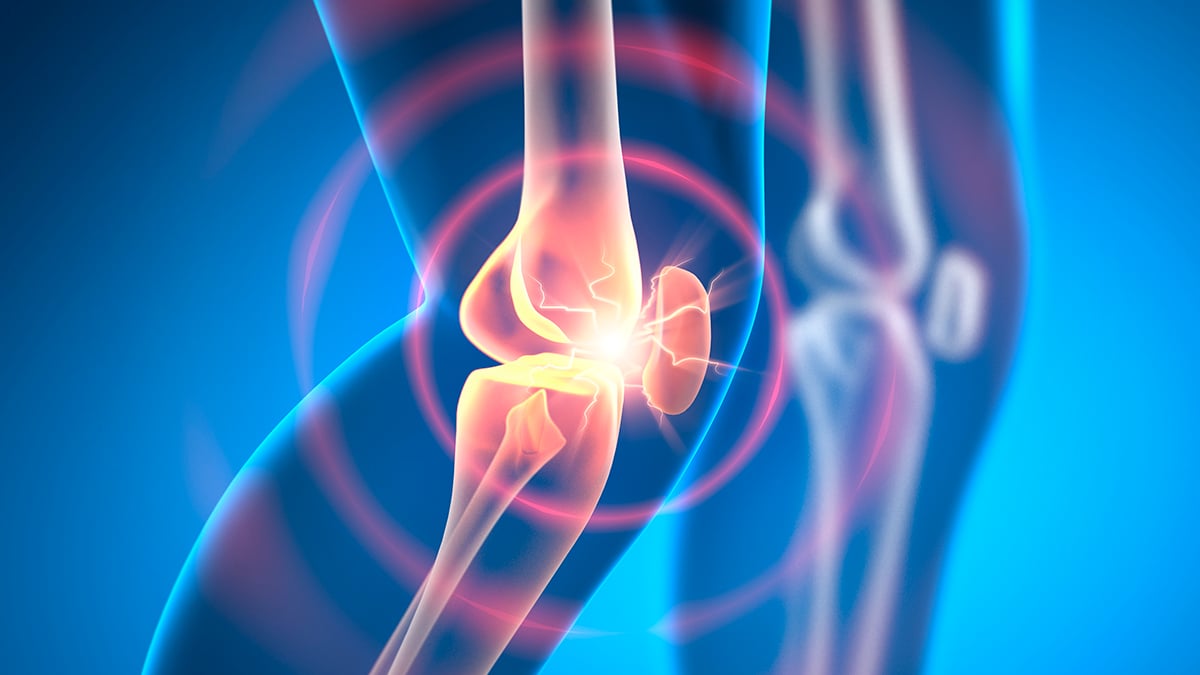
Imagine starting your day free from the debilitating pain and rigidity of osteoarthritis, a condition plaguing millions worldwide. Recent animal studies from the University of Colorado Boulder spotlight a promising experimental drug that activates the body’s innate healing mechanisms, potentially reversing joint deterioration in mere weeks through a single, precise injection. This innovation could transform osteoarthritis treatment, shifting from mere symptom management to true tissue regeneration and restored mobility.
Understanding the Impact of Osteoarthritis


Osteoarthritis is the most common form of arthritis, characterized by the gradual breakdown of cartilage in joints. This leads to chronic pain, swelling, and restricted range of motion, impacting daily tasks such as walking or even holding a cup.
Globally, over 500 million individuals suffer from this progressive disease. As cartilage wears away, bones rub together, triggering inflammation and a vicious cycle of tissue damage that worsens over time.
The emotional toll is immense, often leading to reduced quality of life and dependency on others. Early awareness of its effects is key to seeking advanced solutions like the emerging experimental drug.
Key Risk Factors Accelerating Osteoarthritis
While aging plays a role in natural cartilage thinning, other factors dramatically hasten osteoarthritis onset. Obesity, for instance, places excessive load on knees and hips.
- Each additional pound of body weight can multiply joint stress by up to four times.
- Previous injuries, such as sprains or fractures, weaken joint structures long-term.
- Repetitive strain from occupations or sports, like running on hard surfaces, accelerates wear.
- Genetic predispositions affect cartilage quality and the body’s repair abilities.
Incorporating low-impact activities like swimming or cycling helps. These build muscle support around joints, enhancing lubrication and flexibility without undue pressure.
The Revolutionary Experimental Drug Breakthrough
Researchers have developed a cutting-edge experimental drug delivered via injection into affected joints. This slow-release formula stimulates dormant cells in cartilage and bone to regenerate damaged areas swiftly.
In animal trials, joints showed remarkable recovery within weeks, with visible repair of eroded surfaces. Lead scientist Stephanie Bryant achieved this milestone in just two years, highlighting the drug’s potential to halt progression and rebuild tissue.
This approach marks a departure from conventional methods, offering a one-time treatment that could eliminate the need for ongoing interventions.
How the Injection Triggers Repair
The drug employs a biocompatible hydrogel that solidifies upon injection, providing a stable platform for controlled release of healing signals. These signals mobilize stem-like cells to the site, promoting natural regeneration.
Unlike temporary fillers, it fosters authentic tissue growth, smoothing joint surfaces and reducing friction. Preliminary data indicates long-lasting effects, with no need for repeat administrations in tested models.
Safety profiles in animals are encouraging, paving the way for broader applications in human osteoarthritis treatment.
Progressing Through Osteoarthritis Stages
Osteoarthritis advances through four distinct stages, each with escalating symptoms and structural changes. Recognizing these early can guide timely interventions.
- Stage 1: Mild cartilage softening, with minor pain after activity that resolves quickly.
- Stage 2: Noticeable erosion, morning stiffness exceeding 30 minutes, and slight joint enlargement.
- Stage 3: Substantial cartilage loss creates bone gaps, causing swelling, crepitus (grinding), and persistent discomfort.
- Stage 4: Total cartilage absence leads to bone-on-bone contact, intense pain, deformity, and severe mobility loss.
Diagnostic tools like X-rays and MRIs help stage the disease accurately. Early detection, combined with regenerative therapies, offers the best chance for reversal.
Shortcomings of Today’s Osteoarthritis Treatments
Existing osteoarthritis treatments primarily alleviate symptoms rather than address root causes. Nonsteroidal anti-inflammatory drugs (NSAIDs) offer short-term pain relief but pose risks like gastrointestinal bleeding and cardiovascular issues.
Physical therapy and braces provide support by strengthening muscles, yet they cannot restore lost cartilage. For advanced cases, total joint replacement surgeries involve significant recovery periods and potential complications, with prosthetics lasting only 10-20 years.
Experts, including those from UC Anschutz, note the lack of intermediate options. The experimental drug bridges this gap, targeting regeneration without invasive procedures.
Supporting Research and Prevention Tactics
Ongoing studies reinforce optimism for osteoarthritis reversal. For example, research from Stanford has pinpointed proteins driving age-related cartilage degradation, suggesting targeted inhibitors as future therapies.
Medications like semaglutide, popular for weight management, also show promise in boosting joint cell energy and reducing inflammation, particularly beneficial for obesity-related cases.
These findings complement the Colorado breakthrough, signaling a multifaceted attack on the disease.
Practical Steps to Slow Progression Now
Proactive lifestyle changes can significantly delay osteoarthritis advancement while awaiting new drugs. Weight management is paramount, as losing pounds directly eases joint burden.
- Aim to reduce body weight gradually through balanced nutrition and exercise.
- Incorporate anti-inflammatory foods rich in omega-3s, such as salmon, walnuts, and leafy greens.
- Wear supportive footwear with cushioning to absorb impact during movement.
- Engage in strength training twice weekly, focusing on legs, core, and balance exercises.
- Practice proper ergonomics at work and home to minimize repetitive strain.
These strategies not only preserve joint health but enhance overall well-being, synergizing with medical innovations.
Path to Human Trials and Funding Momentum
Following successful animal results, the next phase involves rigorous toxicology testing and larger-scale safety evaluations. If benchmarks are met, human clinical trials may commence within 18 months.
Backed by the ARPA-H NITRO program, the initiative enjoys robust funding and leadership support. Director Alicia Jackson emphasizes its role in preventing osteoarthritis from derailing lives.
With rising global disability costs from joint diseases, this research aligns with urgent health priorities. Peer-reviewed papers will expedite FDA approvals and widespread adoption.
In conclusion, the experimental drug represents a game-changer for osteoarthritis patients, promising rapid reversal through targeted regeneration. As it advances toward human use, those affected can look forward to pain-free movement and independence. Stay informed on trial updates and adopt preventive measures today for optimal joint health tomorrow.